English
 Vietnamese
 Italian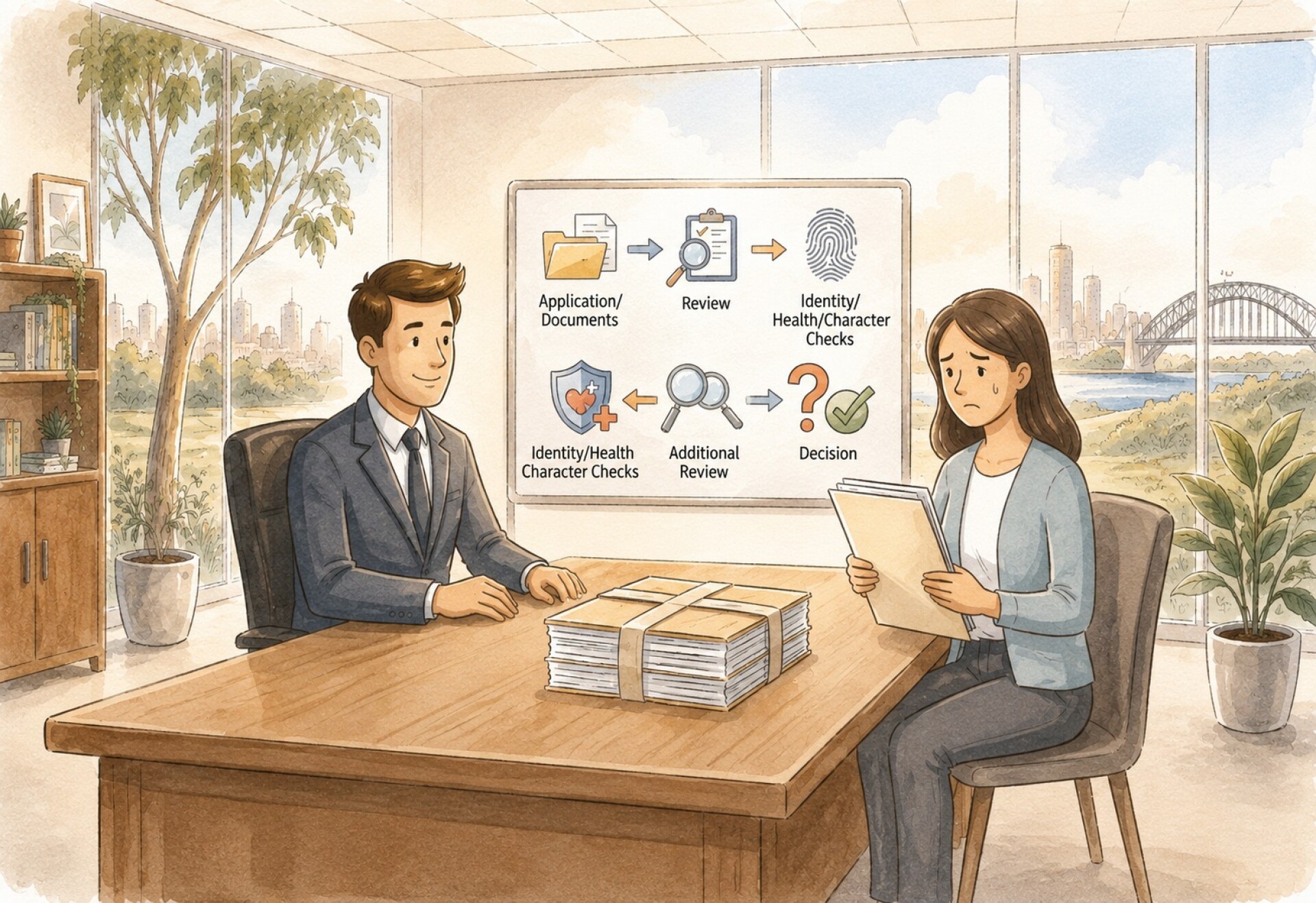
Why Your Visa Application Is Taking Longer Than Average
Delays in visa processing are common and can be caused by factors both inside and outside your control.
How processing times are calculated
Processing times published by the Department of Home Affairs are statistical averages for applications. They do not guarantee an outcome or an exact timeframe for any individual case. Applications are grouped by visa subclass, lodgement channel, and complexity; some groups are processed faster, others slower.
External reasons for delay
- Interagency checks: The Department routinely verifies identity, character, health, and other claims with other government bodies. Responses from those agencies can be slow and vary by country.
- Country factors: Applications from or involving countries with higher fraud risk, weaker record‑sharing systems, or heavy caseloads often take longer.
- Security and integrity flags: Any national security, police, or immigration integrity checks add time.
- Workload and resourcing: Peaks in lodgements, policy changes, or staff shortages can push some cohorts to the slower end of published ranges.
- Complexity transfers: If an application is flagged and moved to a specialist or complex‑case team, expect significantly longer processing.
Applicant‑controlled reasons for delay
- Incomplete or inconsistent information: Missing documents, contradictory statements, or unexplained gaps trigger requests for further information.
- Low quality of supporting evidence: Thin or poorly organised evidence leads to follow‑ups and verification steps.
- Adverse history: Prior visa refusals, character issues, or health concerns require extra scrutiny.
- Frequent amendments or late submissions: Repeatedly changing your application or supplying documents late restarts parts of the assessment.
Can applications be expedited?
Expedites are rare and discretionary. The Department may prioritise truly compelling and compassionate circumstances (e.g., urgent medical care, imminent family bereavement), but these are exceptional. Business or convenience reasons are unlikely to succeed.
How can we help to reduce delay risk
Here at Chess Migration we:
- Prepare a complete, well‑organised bundle: Include clear, labelled documents and a contents list.
- Ensure consistency: Align dates, names, and facts across all forms and supporting evidence.
- Address adverse issues proactively: Explain gaps, past refusals, or character matters with documentary support and legal/medical reports where relevant.
- Use professional assistance for complex cases: An experienced migration consultant or lawyer can reduce technical errors, frame evidence correctly, and anticipate likely queries.
- Respond promptly to RFIs: Timely, thorough replies prevent further escalation.
How professional help adds value
A migration professional will structure your evidentiary bundle, draft clear statements, and prepare explanations for adverse matters so your file is less likely to be flagged or transferred to a complex team. While no adviser can guarantee processing times or outcomes, good preparation reduces the chance of avoidable delays and refusals.
Disclaimer
This advisory is general information and does not constitute personalised migration advice. Immigration law and policy change frequently. For advice tailored to your circumstances, consult a registered migration agent or immigration lawyer.