English
 Vietnamese
 Italian
Challenges when sponsoring a partner to come to Australia
Sponsoring a partner for an Australian partner visa is often more demanding than applicants expect. The process requires careful preparation, extensive evidence, and an understanding that decision makers scrutinise applications for genuineness and consistency.
Overview
Sponsorship is a serious legal commitment. Sponsors must meet eligibility criteria and accept ongoing obligations. The Department of Home Affairs assesses both the sponsor and the relationship to ensure the visa is not being used as a route for sham or exploitative arrangements. Applications that lack depth or contain inconsistencies face a high risk of refusal.
Sponsor eligibility (key requirements)
- Citizenship or residency: Be an Australian citizen, Australian permanent resident, or eligible New Zealand citizen.
- Age: Be 18 years or older.
- Character: No significant criminal record that would affect sponsorship eligibility.
- Sponsorship history: Not have sponsored more than two partners unless an exemption applies.
Sponsors must be prepared to provide identity, character, and relationship evidence and to respond to requests for further information.
Evidence and documentation expectations
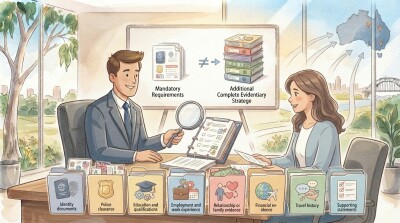
- Volume and quality: Expect a substantial evidentiary bundle; 150 pages or more is common for robust partner visa applications.
- Types of evidence: Joint financial records, shared residential history, communication logs, statutory declarations from friends and family, photos, travel records, and any evidence of shared responsibilities.
- Genuine relationship test: Decision makers look for consistency, depth, and ongoing commitment across multiple evidence types rather than a single document.
How decision makers assess applications
Decision makers actively search for gaps, inconsistencies, and red flags. They evaluate:
- Credibility of statements from both sponsor and applicant.
- Completeness of documentation and whether explanations for gaps are plausible.
- Any adverse factors such as prior criminal convictions, previous visa refusals, or evidence suggesting the relationship is temporary.
When issues arise, the Department often requests further information; failure to respond adequately can lead to refusal.
Common pitfalls and practical solutions
- Under‑evidenced applications: If your bundle is small, it may be insufficient. Solution: Compile comprehensive documentary evidence and corroborating statements.
- Language and form‑filling limitations: Sponsors often complete forms for partners with limited English. Solution: Use professional assistance to ensure accuracy and completeness.
- Criminal history or past immigration issues: These complicate decisions. Solution: Seek specialist advice early to prepare character explanations and any required waivers.
- Emotional and financial cost of refusal: Visa fees can exceed $10,000 plus dependent costs and the emotional toll of separation. Solution: Invest in quality preparation to reduce risk and delay.
Recommended approach
Here at Chess Migration we will:
- Map the strongest evidence strategy for your relationship type.
- Prepare statutory declarations and supporting documents to address likely questions.
- Advise on waivers, onshore work rights, and realistic timelines.
- Reduce the likelihood of requests for further information and shorten processing uncertainty.
A well‑prepared application increases certainty, reduces stress, and improves the chance of a timely outcome.
Conclusion
Sponsoring a partner is legally and evidentially demanding. Thorough preparation, honest documentation, and expert guidance are the most reliable ways to navigate the process successfully.
Disclaimer
The above does not constitute migration advice. The law, though correct at the time of publication, may change. This information is intended as general guidance and may not meet your specific situation. Always seek the advice of a professional migration consultant.